What Should You Not Miss In Rome?
Ask ten people who have been to Rome what you cannot miss, and the same short list comes back every time. Here is that list, in the order that makes sense on the ground, plus one place most first-timers walk straight past.
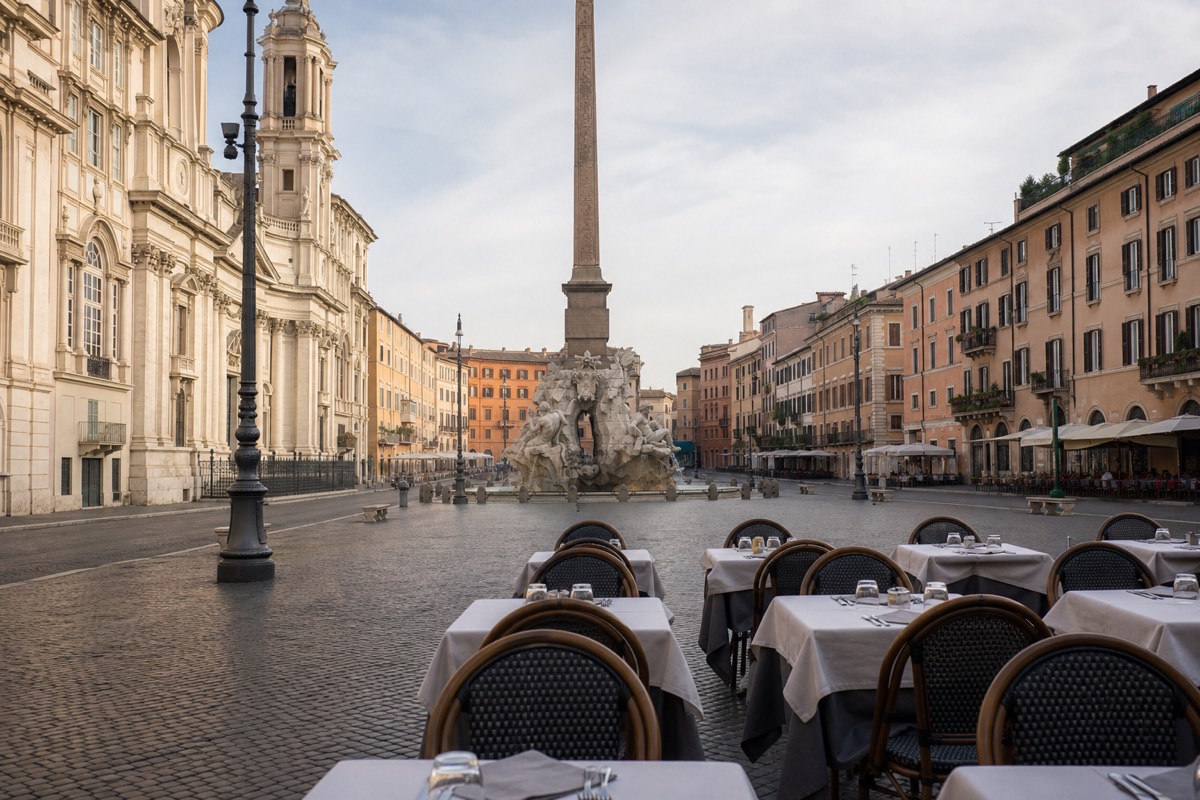
What Should You Not Miss In Rome?
On a first visit the non-negotiables are the Colosseum with the Roman Forum, the Vatican Museums with the Sistine Chapel and St Peter's Basilica, the Pantheon, and the Trevi Fountain, with an evening in Trastevere as the fifth thing that turns a sightseeing trip into a real one. Everything else in Rome is a bonus. Get those five right and you have seen the city that people mean when they say they have been to Rome.
They also happen to sit in three tight clusters, so this is not a marathon across town. The ancient sights are together in the southeast, the Vatican is across the river, and the Pantheon and fountains fill the center between them. If you are weighing up the full list of things to do in Rome, treat these as the spine and hang the rest of your days off them.
The Five Sights To See Even On A Short Trip
If your time is tight, prioritise the Colosseum, the Vatican, the Pantheon, the Trevi Fountain and one Trastevere dinner, because each delivers something the others do not: ancient Rome, Renaissance art, classical engineering, Baroque theatre and the living city. Two of them need booking, and three are free or nearly so.
| Sight | Why it makes the list | Need to book? |
|---|---|---|
| Colosseum and Roman Forum | The arena and the heart of ancient Rome, on one combined ticket | Yes, timed entry |
| Vatican and Sistine Chapel | Michelangelo's ceiling at the end of the great galleries | Yes, slots sell out |
| Pantheon | The best preserved ancient building, still roofed by its dome | Small fee, reserve on busy days |
| Trevi Fountain | Rome's grandest fountain, and the coin toss for a return | Upper piazza free; basin access EUR 2, exemptions apply |
| Trastevere | Cobbled lanes and the city's best evening tables | No, book dinner on weekends |
Reserve Colosseum tickets and Vatican Museums entry before you leave home, since those are the two that turn a smooth day into a wasted one when they are sold out. St Peter's Basilica is free to walk into once you clear security, and the dress code across the Vatican means shoulders and knees covered, so carry a light layer even in July.
The One Under-Rated Pick Most First-Timers Skip
The single most under-rated stop is the Basilica di San Clemente, a short walk from the Colosseum, where you descend through three layers of history: a 12th-century church built over a 4th-century one, built over a 1st-century Roman house and pagan temple. It costs little, the crowds are thin, and few sights explain how Rome was built on top of itself so clearly.
You climb down past medieval frescoes to an early Christian basilica, then further to a temple of Mithras with the sound of an ancient stream still running through the stone. It is the kind of place that makes the layered city click. Pair it with an evening in Trastevere across the river and you have the two experiences that first-timers most often regret missing once they hear about them.
How Do You Fit The Must-Sees Into A Short Visit?
Three full days is enough to see every sight on this list without rushing: ancient Rome on day one, the Vatican on day two, and the Pantheon-and-fountains center on day three, with Trastevere folded into whichever evening suits. That is the plan most first trips settle on, and it works because the clusters are compact.
If you are still deciding how many days in Rome your trip needs, three is the floor and five to seven is comfortable once you add a day trip or a second city. The team at Rome Tour Packages arranges the same route as multi-day trips, with the Colosseum, Vatican and center handled so you are not booking each ticket yourself.
The classic three days in Rome itinerary maps almost exactly onto the five sights above, one cluster a day. The best time to visit Rome for this on-foot pace is spring or early autumn, when the heat and the queues both ease off.
What Can You Skip If You Are Short On Time?
If the clock is against you, the fair things to skip are the long queue at the Mouth of Truth, sitting to linger at the Spanish Steps, and any restaurant with a photo menu and a tout at the door beside a major fountain. None of them is the reason you came to Rome.
The Spanish Steps are worth a two-minute photo, but you cannot sit on them anymore, so there is no reason to build time around them. The Mouth of Truth draws a queue out of all proportion to the thirty-second visit at the end of it. And the tourist-menu trattorias ringing the big sights are where the food is worst and the price is highest, so walk two streets back for a proper plate of cacio e pepe. Save the hours for the five that matter, and leave one thing genuinely unseen, which is the honest reason to toss that coin.